
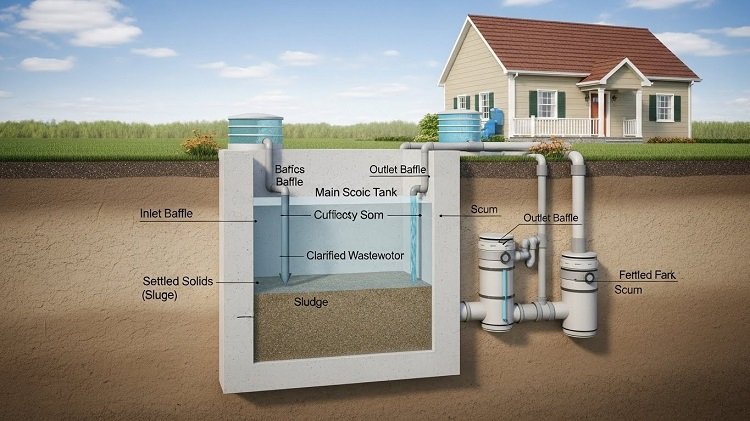
Maintaining and repairing a septic system in the UK is a vital part of rural homeownership. Many properties outside urban areas rely on septic tanks instead of mains drainage, making proper care essential for both safety and legal compliance. Whether you’re experiencing slow drains, foul odours, or planning a major tank repair, having clear, UK-specific guidance is key.
This article provides a comprehensive guide to septic system repair, covering common problems, legal requirements under the General Binding Rules (GBR), maintenance tips, professional inspections, costs, and whether DIY solutions are viable. By the end, UK homeowners will understand how to identify issues early, budget effectively for repairs, and ensure their septic system functions efficiently for years to come. With practical tips, cost insights, and environmental considerations, you’ll be fully equipped to take control of your septic system with confidence.
Understanding Septic Systems in the UK
A septic system is an underground wastewater treatment setup, most common in rural UK properties. Unlike mains drainage, septic tanks store sewage on-site, allowing solids to settle while liquids are gradually absorbed into the soil through a drain field. These systems range from simple tanks to more complex small sewage treatment plants, depending on property size and usage.
Why UK septic systems fail:
- Natural wear and tear
- Improper waste disposal (wipes, chemicals)
- Excessive usage
- Saturated soil around the drain field
- Ageing tank or components
UK homeowners must also consider legal and environmental obligations, as outdated systems may not meet current discharge rules.
The General Binding Rules & Legal Compliance
In the UK, septic systems must comply with Environment Agency General Binding Rules (GBR). These rules ensure wastewater is treated properly before release into the environment.
Key requirements include:
- Regular emptying of septic tanks
- Waste removal by a registered waste carrier
- No discharge directly into surface water unless permitted
- Keeping maintenance records for inspections or property sales
Failing to comply can lead to fines or orders to upgrade your system. For older properties, upgrading to modern treatment plants may be necessary.
Common Septic System Problems
Homeowners often face similar issues:
- Slow drains: Toilets, sinks, and showers drain sluggishly
- Foul odours: Smells around the tank or drains indicate blockages
- Soggy or lush ground: Saturated soil or broken drain field
- Gurgling sounds in pipes: Sign of trapped air or partial blockage
UK climate impacts performance; wet seasons can saturate soil, increasing the risk of drain field failure.
How to Diagnose Issues (DIY Checks)
While major repairs require professionals, homeowners can spot early warning signs:
- Visual inspections: Pooling water, unusual plant growth, or smells
- Check outlet pipes & baffles: Ensure clear and intact
- Monitor household drains: Multiple slow drains often indicate systemic issues
Early detection is crucial. Persistent problems should trigger a professional assessment.
Professional Inspection & When to Call a Specialist
Professional inspections include:
- Camera inspections for internal pipework
- Sludge and scum measurement
- Drain field assessment
Typical UK inspection costs range from £100 to £300. Call a specialist if:
- Sewage backs up into your home
- The yard has wet patches or odours
- The system hasn’t been emptied in years
- Discharge violates GBR rules
Timely inspections prevent minor issues from becoming costly repairs.
Typical Repair Methods
Common UK septic repair solutions:
- Pump & pipe repair: Fix or replace broken components
- Baffle replacement: Ensures proper wastewater flow
- Crack sealing: Repairs minor tank wall damage
- Drain field restoration: Rejuvenation or partial replacement
- Full tank replacement: For severe structural issues
Upgrading to a modern package treatment plant may be required under environmental rules.
Costs of Septic System Repair in the UK
UK septic repair costs vary:
| Repair Type | Average Cost (£) |
|---|---|
| Pump repair | 150–400 |
| Baffle replacement | 200–500 |
| Minor crack repair | 250–600 |
| Drain field repair | 1,500–5,000 |
| Full tank replacement | 3,000–10,000 |
Factors affecting cost: tank size, accessibility, repair method, and compliance requirements.
Preventive Maintenance Strategies
Regular maintenance reduces the likelihood of failure:
- Empty septic tanks every 1–4 years, depending on size
- Avoid flushing wipes, oils, and chemicals
- Monitor drainage fields for soggy areas
- Install grease traps if the kitchen waste is heavy
- Schedule professional inspections every 2–3 years
Septic Tank Emptying, Cleaning & Pumps
Septic tank emptying is a routine but critical task:
- Frequency: Usually every 1–4 years
- Cleaning: Removes sludge and scum layers to prevent blockages
- Pump systems: Check regularly to ensure proper operation
Use registered waste carriers to comply with UK legal standards.
Replacing vs Repairing Your System
Repair may suffice for minor problems, while full replacement is necessary if:
- Tank walls are cracked or corroded
- The drain field is saturated or failed
- Compliance issues cannot be resolved through repair
A cost-benefit analysis can save money in the long term.
Insurance & Warranties for Septic Repairs
Some home insurance policies cover septic failures. UK homeowners should:
- Check policy for sewage or septic coverage
- Ask contractors for warranties on repairs
- Keep maintenance records for claims
Septic Systems & Property Sales
When selling a property, UK law may require proof that the septic system is:
- Empty and functioning properly
- Compliant with GBR rules
- Inspected by a registered professional
Buyers often request inspection reports, so documentation is critical.
DIY vs Professional Repairs: Risks & Benefits
DIY repairs may save money but carry risks:
Pros:
- Lower cost for minor fixes
- Immediate action for blockages
Cons:
- Risk of non-compliance
- Limited access to equipment
- Potential worsening of issues
Professional work ensures legal compliance, safety, and longevity.
Environmental Best Practices
Septic systems should minimise environmental impact:
- Avoid chemical cleaners
- Use eco-friendly detergents
- Prevent runoff into surface water
- Upgrade to treatment plants if required
Compliance protects local waterways and wildlife.
FAQs
Q1: How often should I empty my UK septic tank?
A: Usually every 1–4 years, depending on tank size and usage.
Q2: What are the signs of septic system failure?
A: Slow drains, foul odours, soggy patches, and gurgling pipes.
Q3: Can I repair a septic tank myself?
A: Minor maintenance is possible, but major repairs require professional work to ensure compliance.
Q4: How much does septic tank repair cost in the UK?
A: Costs range from £150 for minor repairs to £10,000 for full replacement.
Q5: Are UK septic tanks legally required to comply with environmental rules?
A: Yes, they must follow the General Binding Rules (GBR) for discharge and maintenance.
For more updates, visit the-malt-house.
