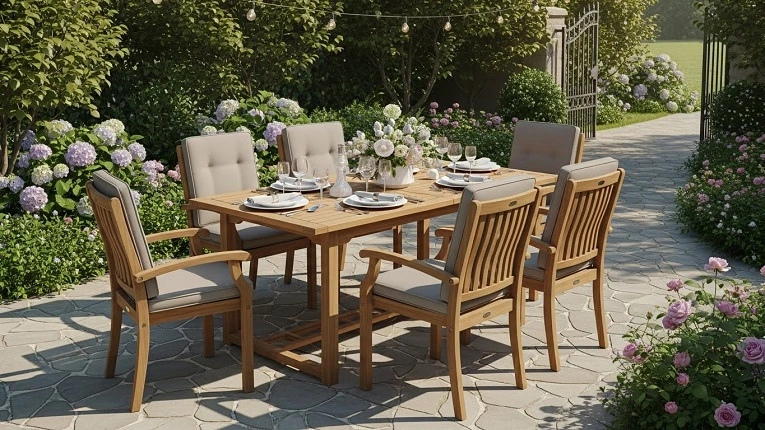
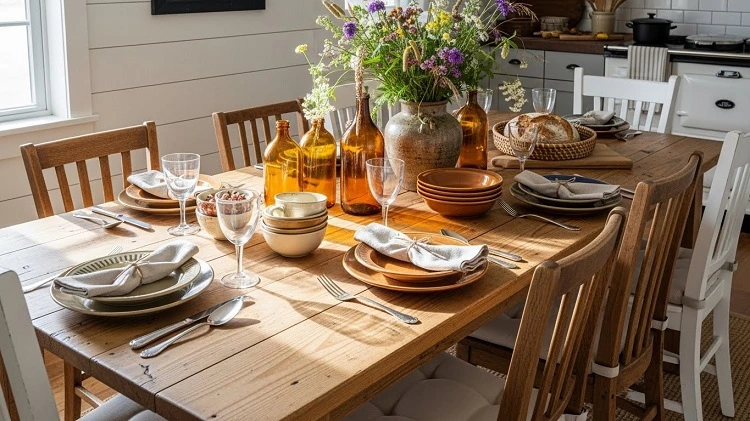
A farmhouse dining table is more than just a piece of furniture; it’s the heart of the dining space where family gathers for meals, celebrations, and meaningful conversations. Farmhouse dining tables blend rustic charm with functional design, offering durability, timeless appeal, and a warm, inviting atmosphere that works well in both traditional and modern homes. Whether you’re remodeling your dining room or choosing a table for a new space, this guide will walk you through everything you need to know, from styles and materials to size selection, décor tips, maintenance, and FAQs, to help you find the perfect farmhouse dining table for your home.
In this guide, we explore how to choose the best design for your needs, compare popular materials (like oak and reclaimed wood), review key dimensions and features, show how to style your table with chairs and décor, and explain proper care to ensure it lasts for generations. By the end, you’ll be equipped with expert advice, real shopper insights, and practical tips to make a confident purchase. Let’s dive into creating an inviting and stylish dining experience anchored by your ideal farmhouse dining table.
What Is a Farmhouse Dining Table?
A farmhouse dining table refers to a dining table style that emphasizes rustic charm, simplicity, and practicality. Originally inspired by rural kitchens and countryside homes, these tables are designed to be both functional and beautiful, inviting family and guests to gather around a comfortable centerpiece. Key traits include sturdy construction, natural wood finishes, and traditional joinery techniques that highlight craftsmanship and durability.
Farmhouse tables typically feature solid wood, often with visible grain, knots, and imperfect finishes that lend character and warmth. This style meshes seamlessly with both classic country décor and contemporary interiors that embrace a modern farmhouse aesthetic.
History & Evolution of Farmhouse Tables
The farmhouse table has its roots in rural homes where tables were built primarily for function, robust, simple, and crafted to last. Traditionally, these tables were hand-made from locally sourced wood and featured straightforward designs like trestle or plank tops.
Over time, the style evolved into a staple of interior design, gaining popularity through modern farmhouse décor trends, a fusion of rustic and contemporary aesthetics that celebrates authenticity and comfort. Today’s farmhouse tables often integrate clean lines and subtle finishes while still honoring the rustic essence that defines the style.
Key Features of a Farmhouse Dining Table
Wood & Material Choices
One of the biggest decisions when selecting a farmhouse dining table is the material. Traditional tables use solid hardwoods like oak, pine, maple, and acacia, prized for durability and the beauty of their natural grain.
- Oak: Strong, heavy, and long-lasting, ideal for everyday family use.
- Pine & Reclaimed Wood: More affordable and rustic, often with unique textures and imperfections.
- Maple & Cherry: Rich tones and smooth woods, perfect for refined farmhouse looks.
Each wood type affects the table’s appearance, weight, and maintenance needs.
Tabletop Styles
Farmhouse tabletops vary from wide plank tops that highlight wood grain to live-edge designs that embrace organic shapes and natural edges. Plank tops are popular for their traditional look, while live-edge styles bring a more modern rustic flair.
Base & Leg Designs
From classic trestle bases to pedestal supports and simple straight legs, each base style imparts a different aesthetic and level of stability to a farmhouse table. The trestle base, for example, offers generous legroom and a classic vibe, whereas pedestal bases provide a striking centerpiece look.
Farmhouse Dining Table Sizes & Seating Capacity
Choosing the right size depends on your space and how you plan to use the table. Common sizes include:
- 4-Seater: Great for intimate dining or small spaces.
- 6-Seater: Ideal for families and daily meals.
- 8+ Seater: Perfect for hosting holiday dinners or large gatherings.
Ensuring enough space around the table (about 36 inches from walls) allows for comfortable chair movement and circulation.
Choosing the Right Shape for Your Space
Rectangular tables are the most classic and versatile, fitting well in long dining rooms. In contrast, round or oval tables foster more intimate settings, especially in smaller spaces.
Farmhouse Finishes & Aesthetic Options
Farmhouse tables range from natural wood finishes that show grain and texture to painted bases with stained tops that offer contrast and visual appeal. Light wood tones and distressed finishes enhance the welcoming vibe, while darker finishes add sophistication.
Style Variations: Traditional vs Modern Farmhouse
Traditional farmhouse tables lean into heritage, visible wood grain, trestle bases, and simple joinery. Modern farmhouse designs incorporate minimalism, mixed materials (like metal legs), and lighter finishes that pair well with contemporary interiors.
Matching Chairs & Bench Seating
Perfecting your dining setup means pairing your table with chairs and benches that complement its style. Bench seating offers a casual, communal feel, while upholstered chairs introduce comfort and refinement. Mixing styles (e.g., upholstered ends with wooden sides) creates visual interest.
Styling & Decorating Your Farmhouse Dining Area
Decor goes beyond the table. Layering a rustic wooden table with patterned textiles, ambient lighting (like pendants), and mixed chair styles brings personality and warmth. Natural light enhances wood tones, while décor accents like ceramics and woven placemats enrich texture.
Farmhouse Dining Table Maintenance & Care
Routine cleaning with a soft cloth and mild soap keeps wood vibrant. To prevent stains and heat damage, use coasters and trivets. Applying wax or polish protects the finish, and addressing minor scratches with wood filler maintains long-term beauty.
DIY vs Ready-Made Farmhouse Tables
If you enjoy woodworking, building a farmhouse table allows full customization of size, wood choice, and finish. For most homeowners, ready-made options offer convenience and professional craftsmanship without the effort of building from scratch.
Budgeting & Price Ranges
Farmhouse dining tables vary in price based on materials, size, and craftsmanship. Solid hardwood and custom pieces command higher prices, while reclaimed or engineered wood options offer budget-friendly alternatives without compromising too much on style.
Sustainable & Eco-Friendly Options
Choosing reclaimed wood or sustainably sourced timber not only adds unique character but also reduces environmental impact. These options give your dining room a story and contribute to sustainable design.
How to Measure & Plan Your Layout
Measure the dining area before purchasing to ensure that the table fits the space comfortably. Leave adequate clearance around it and consider space for chairs to slide out easily.
Conclusion
A farmhouse dining table is more than a furniture choice; it’s the anchor of your home’s dining space, setting the tone for family gatherings, daily meals, and special celebrations. By balancing practical considerations (like size, materials, and layout) with design elements (such as finish, chairs, and décor), you can create a dining area that feels warm, inviting, and uniquely yours. Whether you opt for a traditional solid wood trestle table or a sleek modern farmhouse design, choose pieces that reflect how you live and entertain. Embrace the natural textures, thoughtful craftsmanship, and enduring appeal that farmhouse dining tables offer, and you’ll enjoy a timeless piece that enriches your home for decades.
FAQs
1. What size farmhouse dining table do I need for a family of six?
A table around 72–96 inches long typically fits six comfortably, with about 24–30 inches per person of seating space.
2. Is solid wood better than engineered wood for farmhouse tables?
Solid wood is more durable and ages beautifully, though engineered wood offers affordability and stability in various climates.
3. Can farmhouse tables be used in modern interiors?
Absolutely, pairing with minimalist décor or contrasting materials like metal legs adds modern flair.
4. How do you protect a farmhouse table from stains?
Use coasters, placemats, and regular polish; avoid harsh cleaners that strip the finish.
5. Are benches better than chairs for farmhouse dining tables?
Benches create a casual atmosphere and offer flexible seating, while chairs add comfort and style. Choose based on usage needs.