Replacing broken or inefficient window panes can dramatically improve your home’s appearance, energy efficiency, comfort, and safety. But many homeowners wonder: How much does window glass replacement cost? And what factors influence the price? Whether you’re dealing with a cracked pane, drafty single-glazed window, or planning an upgrade to energy-efficient glass, understanding the process and costs upfront helps you budget and make the best decisions for your home.
In this complete guide, we break down window glass replacement in clear, practical terms, from cost ranges and labor involvement to different glass types, energy benefits, DIY possibilities, and mistakes to avoid. You’ll also get expert tips on choosing the right glass, comparing quotes, and knowing when full window replacement is a better option than just fixing the glass. By the end, you’ll feel confident planning your project, whether it’s a single cracked pane or multiple windows throughout the house.
Overview: What Is Window Glass Replacement?
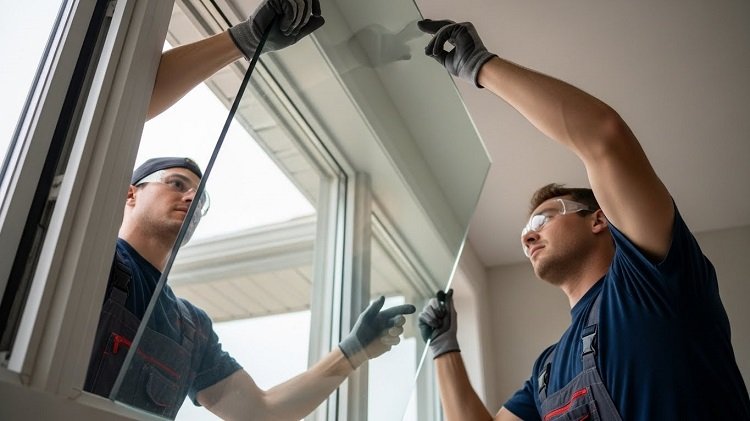
Window glass replacement refers to removing damaged or outdated glass panes from a window frame and installing new glass in their place while keeping the existing frame. This differs from full window replacement, where the frame and sash are also replaced.
In many cases, especially with classical or high-quality frames, replacing just the glass pane is faster, less expensive, and preserves the look of your home. The replacement can improve insulation, reduce drafts, restore clarity, and enhance safety.
Window glass may need replacement due to:
- Impact damage (cracks, breaks)
- Condensation between panes
- Fogging or seal failure in double or triple-pane glass
- Aesthetic upgrades (etched, tinted, or low-E glass)
- Energy performance improvements
Why Replace Window Glass?
Here are the main reasons homeowners opt for glass replacement:
Broken or Cracked Glass
This is the most obvious case. Cracks compromise safety and heat retention and allow drafts and moisture inside.
Failed Seals in Double/Triple Pane
Air or gas fill insulation between panes can leak over time, leading to fogging, condensation, and reduced efficiency.
Energy Efficiency Upgrades
Older single-pane or inefficient glass can be replaced with low-E or multi-pane glass to lower heating and cooling bills. Upgrading to energy-efficient glass can also increase home value and comfort.
Aesthetic or Privacy Needs
Frosted, tinted, or decorative glass elevates the look of a room while offering privacy without sacrificing light.
Safety and Noise Reduction
Laminated or tempered glass offers added strength, impact resistance, and noise reduction: ideal for urban homes or busy neighborhoods.
Average Window Glass Replacement Cost in 2026
Understanding cost expectations is key to planning. Window glass replacement cost varies widely based on the glass type, window size, labor, and location.
Here’s a typical range for replacement costs (materials only):
- Single-pane window: $100–$400 per pane
- Double-pane glass: $300–$900 per pane
- Triple-pane glass: $400–$1,000+ per pane
- Specialty or custom glass: $350–$1,500+ per pane
- Frosted or decorative glass: $300–$800+
These figures reflect current averages, but unique or custom glass can exceed these ranges. Labor charges add additional cost, often making total replacement $200 to $1,200+ per window depending on complexity, size, and access conditions.
Pro Tip: Energy-efficient glass or upgraded materials cost more upfront but can reduce utility bills over time.
Cost by Window Type
Different window designs influence how much glass replacement will cost:
| Window Type | Typical Glass Replacement Range |
|---|---|
| Storm window | $100–$400 |
| Sliding window | $150–$900 |
| Casement window | $150–$1,200 |
| Picture window | $200–$1,000 |
| Skylight | $150–$3,000+ |
| Bay or Bow window | $500–$3,800+ |
Larger or uniquely shaped windows (bay, bow, or skylight) require more material and custom cutting, increasing the price.
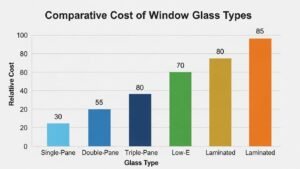
Cost by Glass Type
The type of glass you choose significantly affects cost:
Single-Pane Glass
Basic and inexpensive, but offers poor insulation.
-
Typical range: $100–$400
Double-Pane Glass
Standard for modern homes and offers better insulation than single-pane.
-
Range: $300–$900
Triple-Pane Glass
More layers mean better insulation but a higher price.
-
Range: $400–$1,000+
Low-E Glass
Glass with a low emissivity coating reflects heat and improves efficiency.
-
Range: $350–$850+
Tempered Glass
Stronger and safer; shatters into small cubes instead of sharp shards.
-
Range: $180–$700
Laminated Glass
Multiple layers make it impact-resistant and sound-reducing.
-
Range: $275–$625
Frosted or Decorative Glass
Great for privacy and design, but the cost increases due to processing.
-
Range: $300–$800
These costs are for the glass only; labor adds to the total project cost.
Labor & Installation Costs
Professional installation ensures proper fit, sealing, safety, and energy performance. Labor costs typically fall between $50 and $125 per hour, with some contractors offering a flat installation fee. Full replacement generally takes 45–90 minutes per window.
Expect an additional $100–$300 in labor for sta
ndard glass installation per window, though custom or difficult installations (upper floors, hard-to-reach windows) can cost more.
How to Measure for Window Glass Replacement
Accurate measurements ensure the replacement glass fits perfectly:
- Measure Width: Inside frame to inside frame at top, middle, and bottom, and use the smallest width.
- Measure Height: Inside sill to inside head, measure in several places, and use the smallest.
- Measure Depth: Thickness of the existing glass for accurate replacement and fit.
Double and triple-pane windows also require knowledge of spacer type and gas fill specs for precise ordering.
DIY vs Professional Replacement
DIY Approach
Replacing a simple single pane can be DIY-friendly for experienced homeowners, especially with accessible framing and non-specialized glass. You’ll need:
- Safety gloves and goggles
- Putty knife
- Glazier’s points or clips
- New glass cut to size
- Glazing compound or caulk
DIY can save money, but it can compromise insulation, seal quality, or safety if done incorrectly.
Professional Installation
Recommended when:
- Glass is tempered, laminated, or insulated
- The window is at a height or is hard to access
- Weatherproof sealing is critical
- Local building codes require professional work
Professionals guarantee a proper seal, correct fitting, and cleanup.
When to Replace the Entire Window Pane vs Frame
Just replacing the glass is often cheaper, but not always the best long-term choice.
Glass Only
Good if:
- Frame is in excellent condition
- Damage is isolated to the glass
Full Window Replacement
Consider when:
- The frame is rotted, warped, or leaking
- Energy efficiency is a priority
- Style or material upgrades are desired
Full replacement is more expensive but ensures im
proved performance and longevity.
Energy Efficiency & Long-Term Savings
Upgrading from single to double or triple-pane glass, especially with low-E coatings or gas fills (argon, krypton), can lower heating and cooling costs. Better insulation means less energy loss, reduced HVAC loads, and enhanced comfort inside the home.
Investing in energy-efficient glass also increases property value and often pays off over time through lower utility bills and added market appeal.
Common Mistakes to Avoid
- Not measuring precisely: Leads to ill-fitting glass or wasted costs.
- Choosing the cheapest quote automatically: Very low prices may cut corners on sealing or insulation.
- Ignoring frame condition: Bad frames can lead to drafts even with new glass.
- Skipping energy options: Low-E or gas fill upgrades are worth the extra dollars for efficiency.
Tips for Getting Accurate Quotes
- Measure windows before contacting installers
- Ask for separate line items for material and labor
- Inquire about the warranty on the glass and installation
- Compare at least three local companies
- Check for local licensing and insurance
How Weather & Season Affect Costs
Window glass replacement is often less expensive in winter or fall when demand is lower. Spring and summer are peak seasons for window work, so scheduling earlier or later can save money.
- Window glass replacement cost varies widely by glass type and window size.
- Double and triple panes cost more but offer better insulation.
- Labor often adds $100–$300 per window.
- DIY is possible for simple panes, but professional installation improves performance.
- Measuring accurately and getting multiple quotes is essential.
- Energy-efficient upgrades provide long-term savings.
- Frame condition affects whether glass replacement is enough.
Conclusion
Window glass replacement is a smart, cost-effective way to restore broken windows, improve energy performance, and enhance home comfort. Costs vary depending on the glass type, from simple single panes to insulated, low-E, laminated, or custom designs, as well as the window’s size, style, and accessibility.
When planning your project, take accurate measurements, compare multiple quotes, and consider professional installation for optimal sealing and performance. Upgrading to better glass improves insulation, reduces energy bills, and can boost curb appeal and property value. With thoughtful planning, understanding of costs, and smart material choices, you can make your window glass replacement project efficient and worthwhile.
Frequently Asked Questions
1. How much does window glass replacement cost on average?
Typical replacement ranges from about $100 for basic single-pane to $900+ for high-performance glass.
2. Can I replace window glass myself?
DIY is possible on simple panes, but professional installation ensures proper sealing and insulation.
3. What glass type is best for energy savings?
Double- or triple-pane glass with low-E coatings and gas fills offers the best energy efficiency.
4. Do I always need to replace the window frame?
Not necessarily, only if it’s damaged or inefficient.
5. Does glass replacement reduce energy bills?
Yes, improving insulation can lead to lower heating and cooling costs over time.