Fire safety is one of the most critical responsibilities for landlords, business owners, and property managers. Fires can cause serious damage to buildings, threaten lives, and lead to significant legal and financial consequences. Properties often contain electrical equipment, heating systems, cooking appliances, and flammable materials that can increase the risk of fire if not properly managed.
A Fire Risk Assessment is the process of identifying potential fire hazards, evaluating the risks, and implementing safety measures to prevent incidents. This assessment is essential for ensuring the safety of occupants and meeting legal requirements.
This article provides essential tips for landlords and businesses to conduct effective Fire Risk Assessments, reduce fire hazards, and maintain compliance with safety regulations.
Why Fire Risk Assessments Are Necessary
Fire Risk Assessments help property owners identify potential fire hazards before they result in serious incidents. Electrical faults, overloaded circuits, blocked exits, and combustible materials are common risks that can be overlooked without a proper inspection.
For landlords, a Fire Risk Assessment is often a legal requirement for residential rental properties. It ensures tenants are protected and that escape routes, alarms, and fire safety systems are in place.
Businesses and commercial buildings also benefit from fire safety inspections, as they often contain high-risk areas such as kitchens, warehouses, and areas with machinery or flammable substances.
Step 1: Identify Fire Hazards
The first step in a Fire Risk Assessment is to identify potential sources of ignition and flammable materials:
- Electrical equipment: Faulty wiring, overloaded outlets, and damaged devices
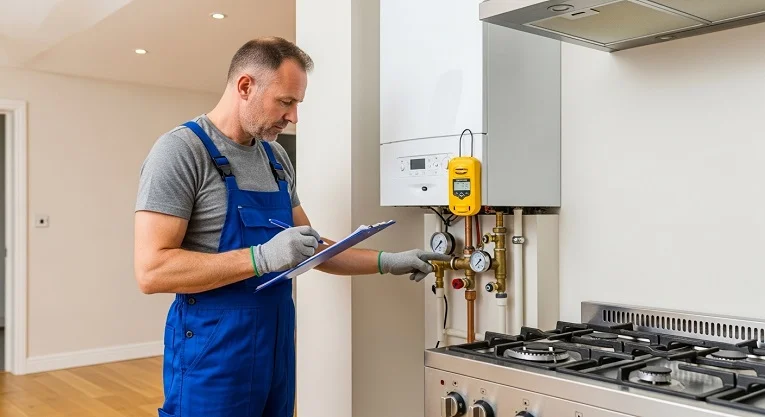
- Heating systems: Boilers, radiators, and space heaters
- Cooking appliances: Commercial kitchens and small office kitchens
- Combustible materials: Paper, furniture, textiles, and chemicals
Identifying hazards allows landlords and managers to prioritize actions that reduce risk.
Step 2: Identify People at Risk
After identifying hazards, assess who may be at risk during a fire. This includes tenants, employees, visitors, and contractors. Vulnerable individuals, such as elderly occupants, children, or people with disabilities, require special consideration.
Understanding who is at risk helps determine the level of protection needed, the placement of alarms, and the planning of escape routes.
Step 3: Evaluate Fire Safety Measures
A thorough Fire Risk Assessment reviews existing safety systems:
- Smoke detectors and fire alarms: Ensure they are installed in appropriate locations and tested regularly
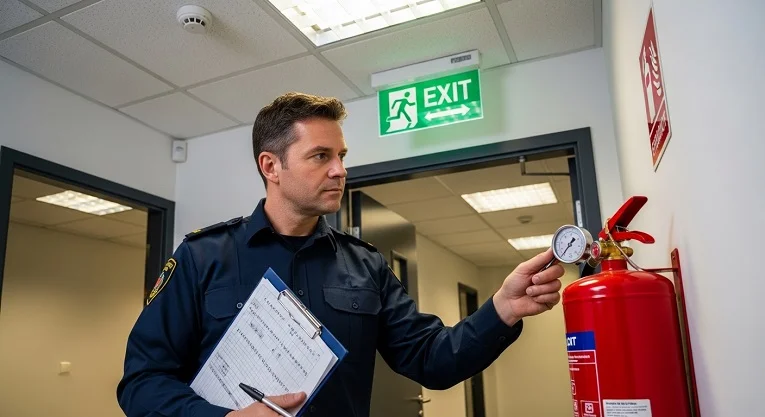
- Fire extinguishers: Check placement, type, and maintenance
- Emergency lighting: Confirm that exit routes are properly illuminated during a power failure
- Fire doors: Inspect to ensure they close and seal properly
Reviewing these measures ensures they are effective in preventing and controlling fire hazards.
Step 4: Record Findings and Recommendations
The assessor records all findings and provides a detailed report. This includes:
- Identified hazards
- Potential risks to occupants
- Safety system evaluations
- Recommended actions to reduce risk
Landlords and business owners can use this report to make improvements, protect occupants, and maintain legal compliance.
Step 5: Implement Improvements
After the Fire Risk Assessment, take steps to reduce risks:
- Install additional smoke detectors or fire alarms if needed
- Maintain and service fire extinguishers and safety equipment
- Clear blocked exits and ensure corridors remain unobstructed
- Train occupants on evacuation procedures and fire response
Implementing these improvements enhances overall fire safety and reduces the likelihood of serious incidents.
Step 6: Regular Review and Maintenance
Fire safety is not a one-time task. Regular reviews and maintenance of fire safety systems are essential:
- Conduct annual Fire Risk Assessments for most properties
- Review high-risk buildings, such as kitchens or warehouses, more frequently
- Update assessments after renovations or changes in occupancy
Regular reviews help maintain a safe environment and ensure ongoing compliance with safety regulations.
Common Fire Hazards in Landlord and Business Properties
Many hazards are common across residential and commercial properties:
- Electrical problems: Overloaded outlets, faulty wiring, and outdated systems
- Blocked escape routes: Furniture, storage, or debris in hallways and staircases
- Flammable materials: Paper, cardboard, chemicals, and cleaning products
- Heating equipment: Unmaintained boilers, heaters, or ventilation systems
Identifying and correcting these hazards is essential to preventing fire incidents.
Benefits of Conducting Fire Risk Assessments
Fire Risk Assessments provide multiple benefits:
- Reduce the risk of fire incidents
- Protect tenants, employees, and visitors
- Improve emergency preparedness
- Ensure compliance with fire safety laws
- Reduce potential legal liability
For landlords and business owners, the investment in fire safety helps protect both lives and property.
Tips for Effective Fire Safety Management
- Keep escape routes clear at all times
- Regularly test alarms and fire detection systems
- Train staff and tenants in fire safety procedures
- Store flammable materials safely away from ignition sources
- Conduct periodic fire drills to ensure readiness
Proactive management of fire safety risks prevents emergencies and improves overall safety awareness.
Conclusion
Fire safety requires diligence, planning, and regular inspection. A Fire Risk Assessment is the most effective tool for identifying hazards, evaluating risks, and implementing safety measures. Landlords and business owners who prioritize fire safety not only protect lives but also maintain compliance with safety regulations.
By conducting assessments, maintaining safety equipment, and educating occupants, property owners create safer, more secure environments for tenants, employees, and visitors. Fire prevention is an ongoing responsibility that demands attention, awareness, and action.