Gas appliances provide comfort and convenience in homes, but they can also pose serious risks if not properly maintained. Faulty boilers, gas cookers, and heaters can lead to fires, gas leaks, or carbon monoxide poisoning. For homeowners and tenants, understanding the Gas Safety Certificate is crucial for safety and legal compliance.
A Gas Safety Certificate is an official document issued by a certified gas engineer after inspecting all gas appliances and systems in a property. It confirms that the appliances are safe to use and comply with safety regulations. This guide explains why the certificate is important, what it covers, and how tenants and homeowners can ensure gas safety.
What Is a Gas Safety Certificate?
A Gas Safety Certificate is a document issued by a Gas Safe registered engineer after inspecting a property’s gas appliances and systems. It confirms:
- All gas appliances are safe and functioning correctly
- No leaks or faulty installations are present
- Ventilation and flues are adequate
- Carbon monoxide detectors are installed and operational
The certificate includes the engineer’s details, inspection date, appliance information, and notes on any defects found during the inspection.
Why Gas Safety Certificates Are Important
Gas Safety Certificates are critical for protecting lives. Gas leaks or poorly maintained appliances can cause fires, explosions, or carbon monoxide poisoning. Carbon monoxide is an invisible, odorless gas that can be deadly if inhaled.
Key reasons for a Gas Safety Certificate include:
- Safety: Ensures appliances are functioning properly
- Compliance: Meets legal requirements for landlords and rental properties
- Peace of mind: Confirms tenants and homeowners are protected
- Insurance: Supports claims in case of gas-related incidents
A valid certificate helps prevent accidents and demonstrates responsible property management.
Who Needs a Gas Safety Certificate?
- Landlords: Legally required to have a certificate for rental properties
- Tenants: Should receive a copy of the certificate from the landlord
- Homeowners: Recommended to have inspections for safety, even if not legally required
- Businesses: Commercial properties with gas appliances also require certification
Ensuring a property has a Gas Safety Certificate protects everyone in the building from potential hazards.
What Appliances Are Checked?
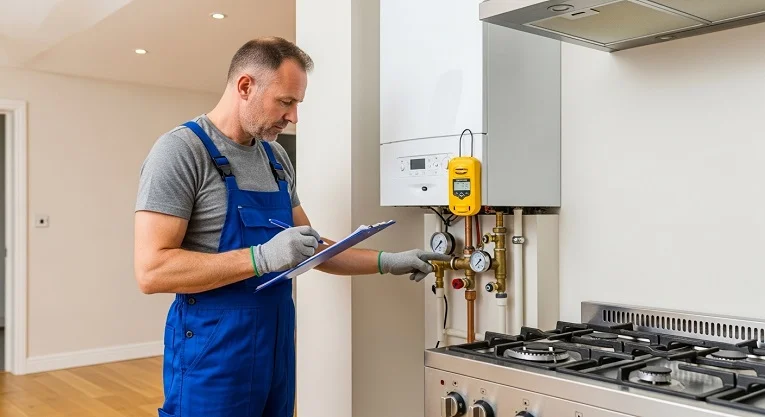
During the inspection, the gas engineer evaluates:
- Boilers and central heating systems
- Gas cookers, ovens, and stoves
- Water heaters
- Pipework, valves, and connections
- Ventilation and flue systems
Each appliance is checked for leaks, proper installation, safe operation, and compliance with safety standards.
Common Issues Identified in Inspections
Some of the frequent problems found during gas inspections include:
- Gas leaks from pipes or appliances
- Blocked or damaged flues
- Faulty or outdated appliances
- Carbon monoxide detectors missing or malfunctioning
- Poor ventilation around gas appliances
Early identification and repair of these issues prevent accidents and keep the property safe.
How to Obtain a Gas Safety Certificate
Obtaining a Gas Safety Certificate involves a few essential steps:
- Hire a registered gas engineer – Only a certified professional can issue a valid certificate
- Schedule an inspection – All gas appliances, fittings, and pipework are examined
- Conduct safety checks – The engineer tests appliances, checks for leaks, and ensures proper ventilation
- Receive the certificate – If all appliances are safe, the engineer issues the Gas Safety Certificate
- Address defects – Any faults identified must be repaired before the certificate remains valid
Following these steps ensures safety and compliance with legal requirements.
Responsibilities of Tenants
Tenants also play a role in gas safety:
- Allow access for inspections by certified engineers
- Report any suspected faults or leaks immediately
- Avoid tampering with gas appliances
- Ensure carbon monoxide detectors are working
Tenant cooperation helps maintain a safe living environment.
Tips for Maintaining Gas Safety
- Schedule annual inspections and obtain a Gas Safety Certificate
- Keep appliances clean and well-maintained
- Install carbon monoxide detectors near boilers and gas appliances
- Educate family members or occupants about gas safety
- Keep a copy of the certificate for reference
Proactive maintenance reduces risks and ensures continued compliance with safety standards.
Benefits of a Gas Safety Certificate
A Gas Safety Certificate offers several advantages:
- Confirms appliances are safe for use
- Protects tenants and homeowners from hazards
- Provides legal compliance for landlords
- Supports insurance and liability protection
- Creates confidence and peace of mind
Regular inspections and certification are essential for responsible property management and safety.
Conclusion
A Gas Safety Certificate is an essential document for landlords, tenants, and homeowners. It confirms that gas appliances are safe, functional, and compliant with regulations. By hiring certified engineers, conducting regular inspections, and maintaining appliances, property owners can ensure the safety of everyone in the building.
Gas safety is an ongoing responsibility, and obtaining a Gas Safety Certificate is the most effective way to prevent accidents, ensure compliance, and maintain peace of mind for tenants and homeowners alike.